Freemasonry is one of the oldest fraternal societies in the world. It brings together men of good character who believe in a Supreme Being, whatever their religion, and it teaches a system of morality veiled in allegory and illustrated by symbols.
Its origins
Freemasonry descends from the guilds of the stonemasons who built the cathedrals and castles of medieval Europe. The oldest documents of the Craft, the Regius Poem of about 1390 and the Cooke Manuscript of about 1450, set out the duties of the masons and the history of their art.
- 1390
The Regius Poem, the oldest known document of the Craft, sets out the duties of the masons and the legend of their art.
- 1450
The Cooke Manuscript joins a history of geometry and masonry to the articles and points of the Craft.
- 1646
The antiquary Elias Ashmole notes in his diary that he was made a Freemason at Warrington, in Lancashire.
- 1717
Four London Lodges form the first Grand Lodge.
- 1723
The Constitutions of the Free-Masons are printed at London with the Charges of a Free-Mason.
- 1725
The Grand Lodge of Ireland is formed at Dublin.
- 1731
Freemasonry crosses the Atlantic and reaches Russia: Benjamin Franklin is initiated at Philadelphia, and the Grand Lodge of England names a Provincial Grand Master for Russia.
- 1736
The Grand Lodge of Scotland is formed at Edinburgh.
- 1751
A second Grand Lodge, the Antients, is formed at London.
- 1813
The two Grand Lodges of England unite as the United Grand Lodge of England.
- 1822
Emperor Alexander I forbids secret societies and Masonic lodges in Russia.
- 1906
Alikhan Bökeyhan is initiated at Saint Petersburg, the first Kazakh to enter the Craft.
- 1929
The United Grand Lodge of England sets out the Basic Principles for Grand Lodge Recognition.
- 1952
The Conference of Grand Masters of North America adopts the three Standards for Recognition.
- 1995
The Grande Loge Nationale Française consecrates the Grand Lodge of Russia at Moscow.
- 2016
The Grand Lodge of Kazakhstan is consecrated at the Orient of Almaty.
Its three great principles
Brotherly Love
Every Freemason shows tolerance and respect for the opinions of others, and behaves with kindness and understanding towards his fellow men.
Relief
Freemasons are taught to practise charity and to care for those in need, in their own families, in the Brotherhood and in the community at large.
Truth
Freemasons strive for truth, require high moral standards and aim to achieve them in their own lives.
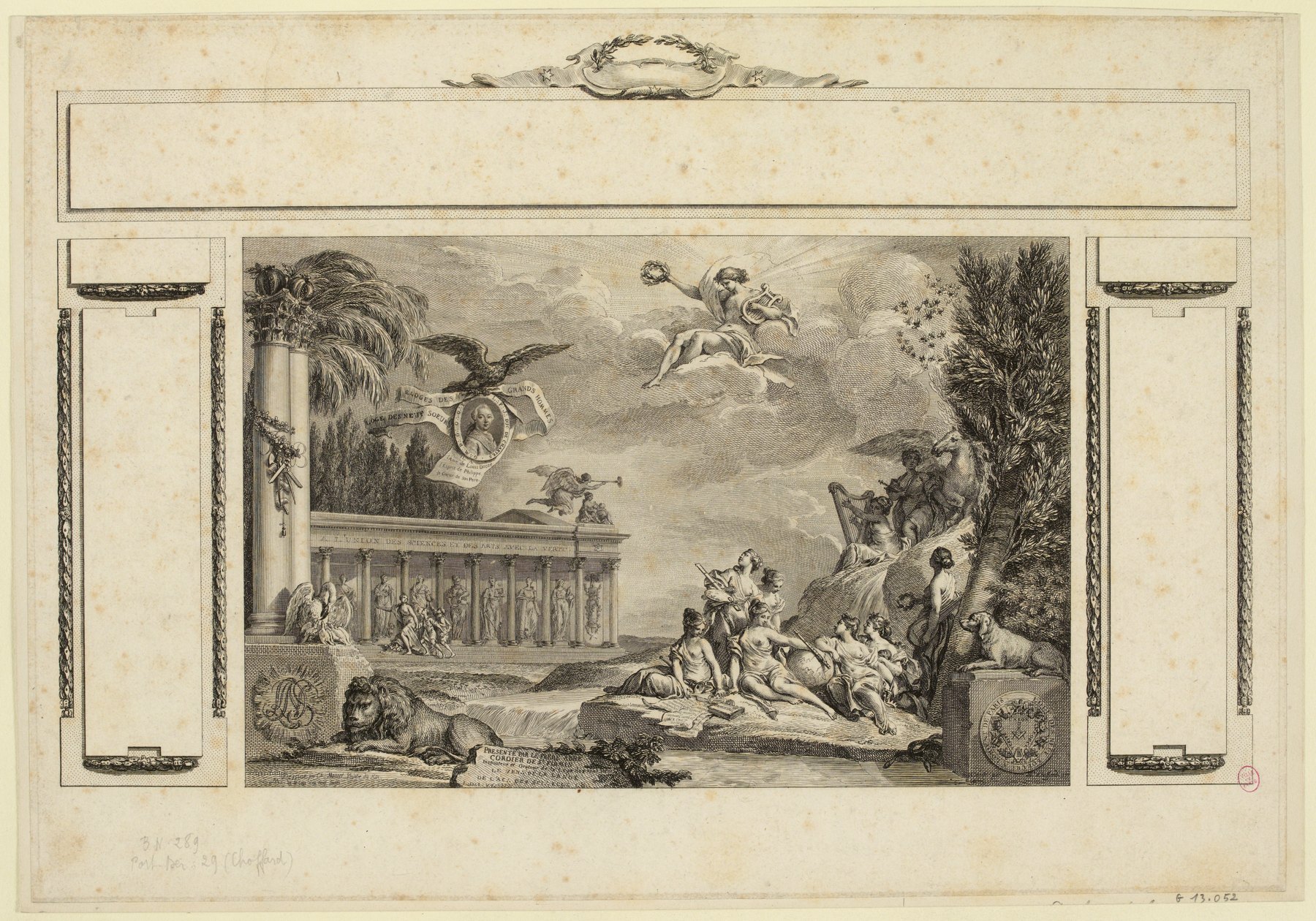
From an old text
[…] cultivating Brotherly-Love, the Foundation and Cape-stone, the Cement and Glory of this ancient Fraternity, avoiding all Wrangling and Quarrelling, all Slander and Backbiting, nor permitting others to slander any honest Brother, but defending his Character, and doing him all good Offices, as far as is consistent with your Honour and Safety, and no farther.
The Charges of a Free-Mason, London, 1723 · Read the whole text